







<back
Screw-Lock Circular Connector: Why It Provides a More Secure Connection than Push-Pull
Circular electrical connectors are widely used in industrial equipment, communication devices, and electronic systems that require reliable electrical connections. They generally consist of two parts: a socket mounted on an instrument or device and a plug attached to a cable. Once aligned, these components connect through a coupling mechanism that keeps them securely joined. Among the available connection methods, a screw-lock circular connector uses a threaded coupling nut to secure the plug and socket, helping prevent accidental disconnection during operation. Therefore, this design is particularly useful in applications where connection stability matters as much as electrical performance.
Screw-Lock vs. Push-Pull: How the Locking Mechanisms Differ
The main difference between screw-lock and push-pull connectors lies in how they engage and release. A screw-lock connector requires the user to rotate a threaded coupling nut until the connection is properly secured. In contrast, a push-pull connector typically locks through a quick insertion mechanism and releases through a designated pulling action or release feature, depending on its design. As a result, push-pull connectors can support faster mating and unmating, especially when equipment requires frequent connections. However, screw-lock designs offer a threaded engagement that can resist unintended separation when the connector experiences movement, cable tension, or vibration, provided that the coupling is correctly tightened.
Why Threaded Coupling Improves Connection Security
Connection security is essential in electrical systems where an unexpected interruption can affect equipment operation. Because a threaded coupling nut holds the plug and socket together, it helps maintain engagement when external forces act on the cable or connector body. Furthermore, the user can check whether the coupling has been tightened according to the manufacturer's instructions, which supports consistent installation practices. Although a push-pull connector can also provide reliable retention when properly designed and installed, its quick-release mechanism may be less suitable for certain applications where accidental pulling is a concern. For this reason, a screw-lock circular connector can be a practical option for equipment that needs a secure mechanical connection during regular operation.
The Role of Metal Shell Construction
In addition to the locking mechanism, the connector's housing material affects its suitability for different working environments. A metal shell connector can provide mechanical strength and help protect internal contacts from external impact, depending on the shell design and construction. Moreover, a metal housing may support electromagnetic shielding when the connector incorporates suitable shielding features and is installed correctly. These characteristics make metal-shell designs useful in industrial automation, test equipment, instrumentation, and other applications where connectors may encounter frequent handling or demanding operating conditions. Nevertheless, the housing material alone does not guarantee resistance to vibration, corrosion, or electromagnetic interference, so buyers should evaluate the connector's complete specifications before selecting a model.
Sealing Performance in Demanding Environments
Some electrical systems operate in environments where dust, moisture, or occasional water exposure can threaten connection reliability. In these situations, an environmentally sealed connector can help protect electrical contacts when its sealing structure and rated protection level match the application requirements. For example, seals around the mating interface and cable entry may reduce the risk of contaminants reaching sensitive contact areas. However, sealing performance depends on the complete connector assembly, including proper mating, cable installation, and maintenance. Therefore, users should verify the specified ingress protection rating and installation requirements rather than assuming that every circular connector provides the same level of environmental protection.
Choosing the Right Plug and Socket Connector
Selecting a suitable plug and socket connector requires more than comparing locking mechanisms. First, consider the electrical requirements, including rated current, voltage, contact arrangement, and signal or power transmission needs. Next, evaluate the installation environment, cable movement, expected vibration, mating frequency, and available mounting space. Additionally, check whether the connector requires shielding or environmental sealing to support reliable operation under actual working conditions. While push-pull connectors may be more convenient for applications that prioritize rapid connection, screw-lock models may be preferable when a threaded coupling better suits the equipment's mechanical requirements.
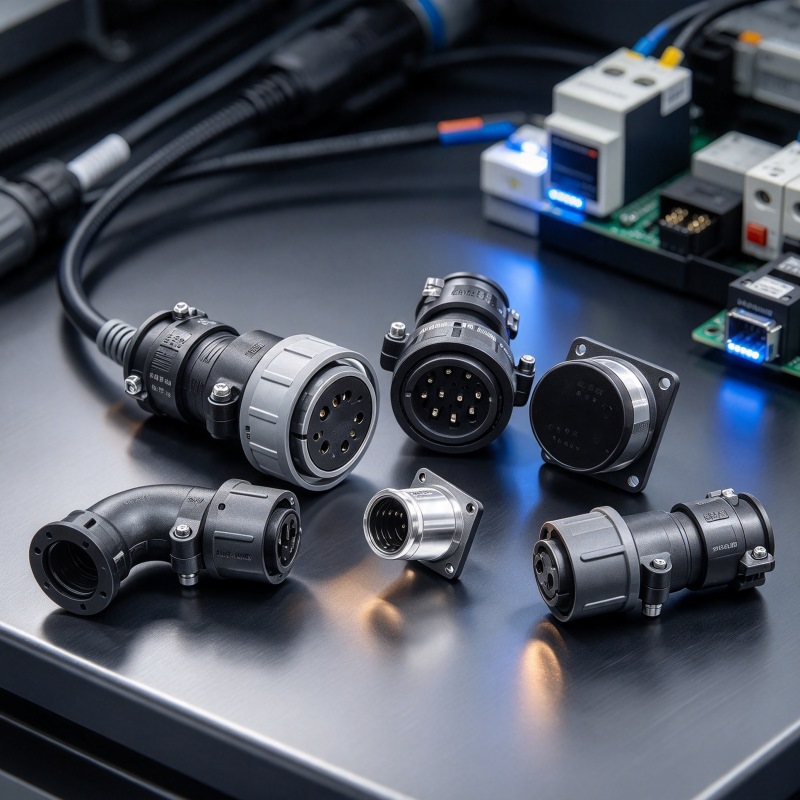
Applications and Practical Selection Considerations
Screw-lock circular connectors can be used in industrial control systems, measurement instruments, communication equipment, and other electronic devices that benefit from secure plug-and-socket engagement. In these applications, choosing the correct connector helps reduce the likelihood of connection problems caused by unsuitable coupling, incorrect installation, or environmental exposure. Airoadcon provides circular connector options for applications that require dependable electrical connections, allowing users to assess connector structure and configuration according to their project needs. Before finalizing a selection, engineers should confirm compatibility with the equipment, cable specifications, sealing requirements, and relevant electrical ratings.
Conclusion
Both screw-lock and push-pull connectors serve important purposes, but their locking mechanisms suit different operating priorities. Push-pull designs offer convenient, rapid connection, whereas threaded coupling provides a secure engagement that can help resist unintended separation when correctly installed. In addition, housing construction, shielding features, and sealing performance all influence the connector's suitability for a particular application. By evaluating these factors together, engineers can choose a screw-lock circular connector that aligns with their equipment requirements and supports stable, reliable electrical connections over time.