






<back
2PX Series Threaded Circular Connector: How Threaded Nuts Simplify Secure Installatio
Electrical equipment often requires connectors that provide stable circuit connections while remaining easy to install and maintain. For electrical appliances, radio equipment, and similar applications, circular connectors offer a practical way to connect electrical circuits through a structured interface. However, the way a connector is mechanically secured can be just as important as the electrical connection itself. A threaded locking structure provides a straightforward installation method that helps keep the plug and socket firmly connected during equipment operation.
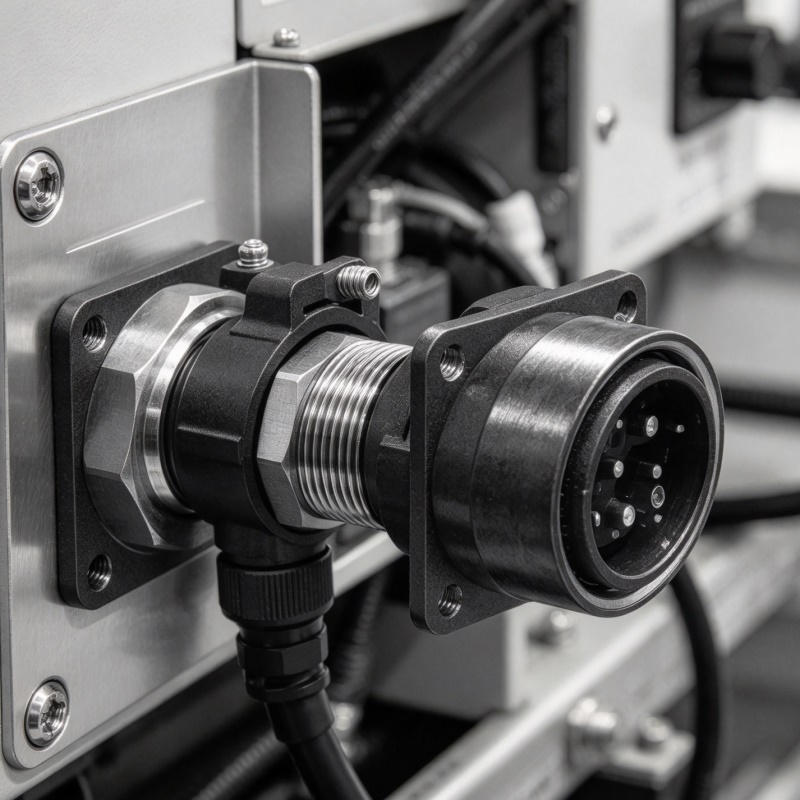
The 2PX series threaded circular connector uses a threaded connecting nut to join the plug and socket together. After the two connector parts are correctly aligned, the nut can be rotated to secure the connection. This simple fastening method makes the installation process more intuitive while providing additional mechanical stability between the connected components.
How a Threaded Circular Connector Works
A threaded circular connector typically consists of a plug, socket, electrical contacts, and a threaded connecting nut. During installation, the plug is positioned against the corresponding socket so that the contacts can be correctly aligned. Once the two sides are properly matched, the connecting nut is tightened to bring the connector halves together and secure the connection.
The threaded nut plays an important mechanical role in this process. Instead of relying only on the insertion of the plug into the socket, the threaded structure creates an additional fastening point between the two components. As the nut is tightened, the connection becomes more firmly secured, helping prevent unnecessary movement between the mating parts.
For equipment that may experience handling, movement, or vibration during use, this type of mechanical fastening can be useful. The 2PX series threaded circular connector therefore combines electrical connection with a straightforward locking method, allowing installers to complete the connection through a simple alignment and tightening process.
Why Threaded Nuts Simplify Connector Installation
One of the main benefits of a threaded nut is its simple operating principle. Once the plug and socket are aligned, the installer only needs to rotate the nut to secure the connection. There is no complicated locking sequence, making the process relatively easy to understand during equipment assembly and maintenance.
Furthermore, the threaded connection provides a clear physical indication that the connector has been secured. The tightening action brings the two mating parts together and helps maintain their relative position. This can be particularly useful in equipment where connectors need to remain firmly connected after installation.
The same mechanism can also make maintenance more convenient. When an electrical appliance or piece of radio equipment needs to be inspected or serviced, the connector can be separated by loosening the threaded nut. After maintenance is completed, the components can be aligned again and reconnected using the same fastening method. As a result, the threaded structure supports both installation and subsequent disconnection without requiring a complicated release mechanism.
A Practical Design for Electrical Appliances and Radio Equipment
Circular connectors are useful in applications where electrical circuits need to be connected through a compact and organized interface. The 2PX model is designed for applications such as electrical appliances and radio equipment, where a stable connection between circuits is required. Its circular configuration provides a defined mating structure, while the threaded connecting nut adds a mechanical fastening method.
In equipment assembly, connector design can have a direct influence on installation convenience. A connector that requires complicated alignment or locking procedures can increase assembly difficulty, particularly when many connectors are used during production. In comparison, a threaded connection uses a familiar rotational fastening action that can be incorporated into a straightforward installation process.
The 2PX series threaded circular connector can therefore be considered for equipment designs where secure mating and practical installation are important. Its combination of a circular connector structure and threaded fastening allows the electrical and mechanical aspects of the connection to work together within the equipment assembly.
Secure Connection with a Straightforward Installation Process
Selecting a connector involves more than considering the electrical interface alone. The mechanical connection method also affects how easily the connector can be installed, secured, disconnected, and maintained. A threaded nut provides a direct fastening approach by allowing the plug and socket to be joined through a simple tightening motion.
Moreover, this structure can help make the installation process more consistent. After the connector halves are correctly aligned, the installer can tighten the nut to establish the mechanical connection. This straightforward procedure can be useful in applications where connectors may need to be installed or serviced repeatedly.
For electrical appliances, radio equipment, and related applications, the 2PX series threaded circular connector provides a practical connection method that combines a circular electrical interface with threaded mechanical fastening. By using a threaded nut to secure the mating components, the connector offers a simple installation approach while supporting convenient disconnection and maintenance when required.