







<back
Push Pull Electrical Connector: How It Simplifies Cable Management in DC Circuits
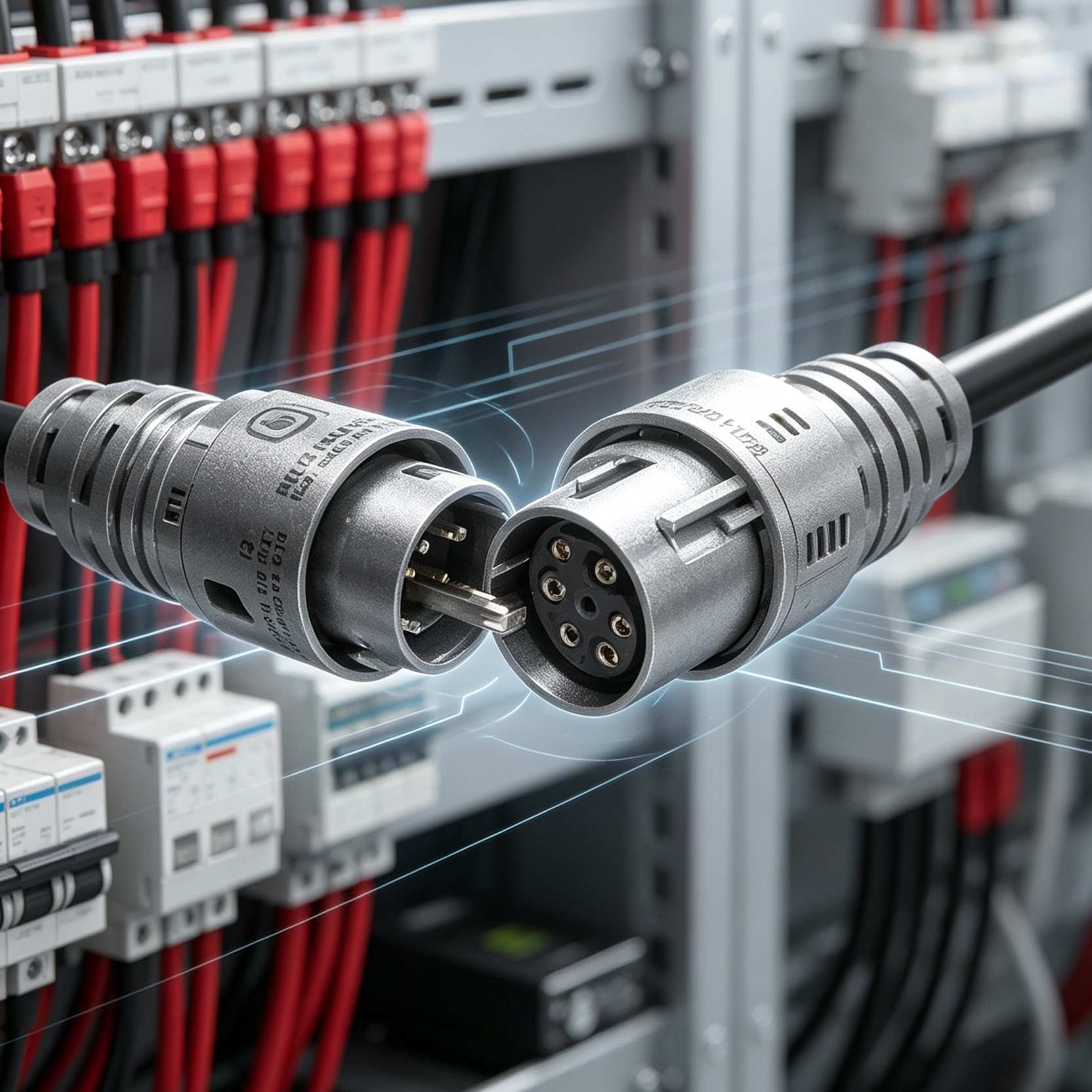
DC electrical systems often contain multiple cables, power sources, control devices, and electronic components. Therefore, keeping connections organized is important for safe installation, convenient maintenance, and stable operation. Poorly arranged cables can make equipment difficult to inspect and may increase the time required for troubleshooting. A push pull electrical connector offers a practical connection method for DC circuits by allowing users to connect and disconnect cables through a simple push-and-pull operation. Unlike threaded connectors that require rotation, this mechanism can reduce installation steps and make connection management more convenient. As a result, push-pull connectors can be useful in equipment where quick cable handling and efficient installation are important.
How Push-Pull Coupling Works
The push-pull mechanism is designed to engage and release through controlled insertion and pulling actions. During connection, the plug is inserted into the corresponding socket until the locking structure engages. Consequently, the connection can be secured without requiring users to rotate a threaded coupling ring. When disconnection is required, the appropriate release action allows the connector to separate. Furthermore, the simple operating method can be particularly useful in systems where cables need to be connected or removed regularly.
Simplifying DC Cable Installation
DC circuits are commonly used in sensors, industrial controls, instrumentation, communication equipment, battery systems, and electronic devices. These applications may require several cables to be installed within a limited space.
Therefore, connector design can directly affect cable management efficiency. A push-pull structure provides a straightforward connection process and can help reduce unnecessary installation movements. Moreover, its compact connection mechanism can make cable routing more manageable in equipment where space is limited. As a result, installers can organize cables more efficiently while maintaining convenient access to connection points.
Fast Connection and Disconnection
One of the main advantages of push-pull coupling is its convenient operation. Users can connect the plug without repeatedly turning a locking ring, which can be helpful when access is limited.
Similarly, disconnection can be completed quickly when the equipment needs to be serviced, relocated, or reconfigured. Therefore, the connector can support applications that require frequent cable changes. However, users should always follow the connector manufacturer's specified mating and unmating procedure to avoid damaging the locking mechanism or electrical contacts.
Key Benefits for Cable Management
A suitable push-pull connector can provide several practical advantages:
Quick operation: Simplifies connection and disconnection without threaded rotation.
Secure locking: Helps keep mating components connected during normal operation.
Compact design: Supports installation where available space is limited.
Easy maintenance: Allows cables to be removed efficiently when servicing equipment.
Organized connections: Helps create cleaner cable interfaces within electrical systems.
Flexible applications: Suitable for various DC power and signal connections.
Reduced installation steps: Provides a straightforward mating process.
Together, these characteristics can make push-pull connectors useful for modern DC equipment.
Push-Pull vs. Threaded Connectors
Push-pull and threaded connectors differ mainly in their connection methods and operating convenience. A push-pull connector uses a direct push-and-lock mechanism, allowing faster installation and quick disconnection. In contrast, a threaded connector requires the plug and socket to be rotated and tightened, so the connection process generally takes more time. In terms of installation space, push-pull connectors can be convenient in areas with limited access because they do not require rotational movement during mating. Threaded connectors, however, need sufficient space for the coupling ring to rotate during installation and removal. For vibration resistance, the performance of a push-pull connector depends on its specific locking structure, while a properly tightened threaded connector generally provides strong mechanical retention.
Therefore, push-pull connectors are particularly suitable for applications that require frequent connection and disconnection, while threaded connectors are often preferred when long-term secure connection is the main priority. Ultimately, the right coupling method should be selected according to equipment design, vibration conditions, connection frequency, available installation space, and environmental requirements.
Improving Cable Organization in Compact Equipment
Modern electronic equipment often places multiple electrical interfaces close together. As a result, cable routing can become challenging when connectors require additional operating space. A push pull electrical connector can help address this issue through its direct mating mechanism. Because the connector does not require a traditional screw rotation during normal mating, it can be easier to operate in confined installation areas.
Furthermore, a well-organized connector layout can make individual cables easier to identify and access. This is especially useful for equipment that requires regular inspection or configuration changes.
Supporting Stable DC Connections
Cable management is closely connected to electrical reliability. A loose or poorly connected cable can interrupt power or signal transmission and may affect the operation of connected equipment. Therefore, a connector should provide an appropriate locking mechanism and stable electrical contact. Push-pull designs can provide mechanical retention after proper mating, helping keep the connector in its intended position.
In addition, contact configuration and electrical specifications should be selected according to the DC circuit requirements. Voltage rating, current capacity, contact material, cable size, and operating environment should all be considered.
Applications in DC Circuits
Push-pull connectors can support a variety of DC applications. They may be used in industrial automation equipment, test and measurement devices, medical electronics, communication systems, sensors, control equipment, and portable electronic systems.
For example, instrumentation equipment may benefit from quick cable replacement during testing. Similarly, industrial control systems may use convenient connectors to simplify maintenance and equipment configuration. Moreover, portable devices can benefit from a connection method that allows cables to be attached and removed without complicated procedures.
Maintenance Advantages
Regular maintenance becomes easier when electrical connections are simple to access. Technicians may need to replace cables, inspect equipment, or temporarily disconnect specific circuits during service. Consequently, a push-pull connector can reduce the time needed to handle individual cable connections. Instead of using tools to loosen a threaded coupling, users can follow the specified release method.
This can improve maintenance convenience, particularly when multiple connectors are installed in the same equipment. Nevertheless, safe electrical procedures should always be followed before disconnecting cables from energized systems.
Choosing the Right Connector for Your Application
Selecting a connector requires more than considering the coupling method. Users should evaluate electrical ratings, contact arrangement, connector dimensions, cable compatibility, mating cycles, environmental conditions, and required protection.
For applications exposed to dust or moisture, suitable sealing and enclosure protection may also be necessary. Likewise, equipment exposed to continuous vibration may require a connector with an appropriate locking structure. Therefore, the connector should be matched to the actual operating environment rather than selected only according to its appearance or connection method.
Why Choose Airoadcon?
Airoadcon focuses on practical electrical connector solutions for different equipment and connection requirements. Its connector approach emphasizes stable electrical contact, convenient operation, and suitable mechanical construction. Furthermore, push-pull coupling can provide an efficient solution for DC systems where quick connection, convenient maintenance, and organized cable interfaces are important.
By considering electrical performance, mechanical structure, and application conditions together, Airoadcon helps users identify connector solutions that fit their equipment requirements.
A Simpler Approach to DC Cable Management
Effective cable management requires both organized routing and practical connection methods. Therefore, choosing a connector that matches the way equipment is installed and maintained can make a noticeable difference. The push pull electrical connector provides a convenient alternative to traditional coupling methods by combining direct operation with secure mating. It can simplify cable installation, speed up connection changes, and improve access in compact equipment.
Ultimately, the right connector depends on the complete application. When electrical specifications, mechanical requirements, environmental conditions, and maintenance needs are properly considered, a push-pull connection can provide a practical foundation for cleaner and more manageable DC electrical systems.