






<back
Circular Electrical Connector: What Makes Threaded Coupling the Most Reliable Choice
Electrical connectors play an essential role in transmitting power and signals between different components. In industrial equipment, automation systems, transportation devices, and outdoor electronics, connectors may face vibration, dust, moisture, and repeated connection cycles. Therefore, choosing the right coupling structure is important for maintaining stable electrical performance. A circular electrical connector with threaded coupling provides a secure connection mechanism that helps keep the mating parts firmly joined. Unlike connection methods that rely mainly on simple insertion, threaded coupling creates a mechanical locking effect. As a result, the connector can provide greater resistance to accidental loosening during operation.
How Threaded Coupling Works
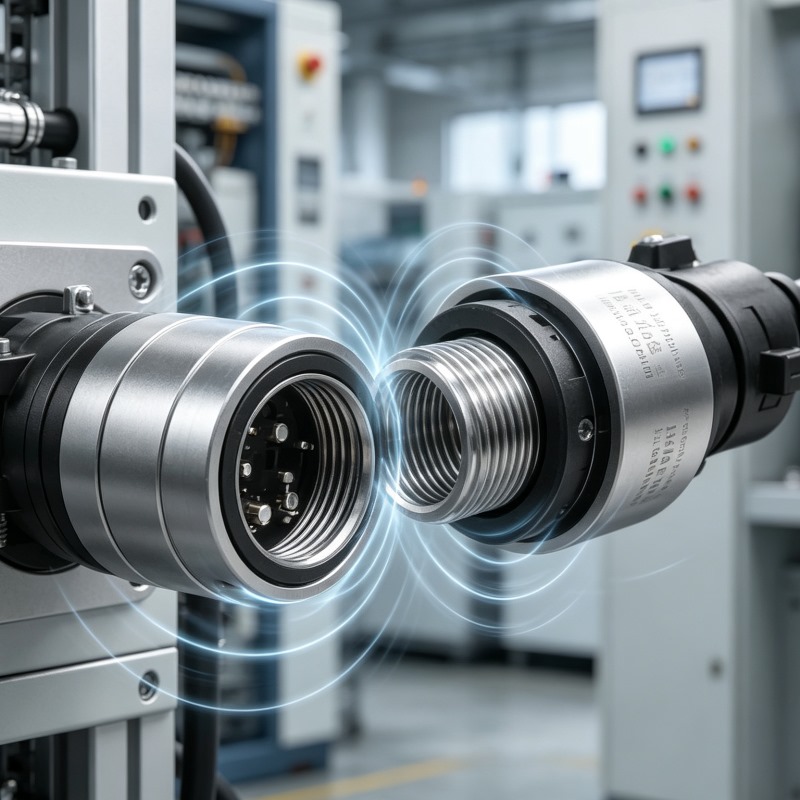
Threaded coupling uses matching threads on the plug and socket to secure the connection. When the connector is rotated into position, the threads gradually draw the two mating components together. Consequently, the connection becomes mechanically stable and less likely to separate under normal vibration or movement. Furthermore, the threaded structure allows users to apply consistent mating force during installation. This design is particularly useful when equipment operates in environments where connectors may experience frequent vibration or mechanical disturbance.
Stable Connections Under Vibration
Vibration is a common challenge for electrical connections. Industrial machinery, vehicles, communication equipment, and automation systems may generate continuous or intermittent vibration during operation. Therefore, a connector needs a coupling method that can maintain its position after installation. Threaded coupling helps hold the mating components together through its mechanical engagement.
As a result, a circular electrical connector with a threaded mechanism can be a practical choice for equipment where connection stability is important. However, the actual performance depends on the connector construction, installation method, environmental conditions, and application requirements.
Protection for Demanding Environments
Connectors are often installed outside protected control cabinets or in equipment exposed to changing environmental conditions. Moisture, dust, temperature variation, and mechanical impact can all affect connector performance. For this reason, connector selection should consider the required enclosure and environmental protection level. A suitable circular structure can support compact installation while allowing appropriate sealing and protection features. Moreover, threaded coupling can help maintain consistent mating pressure when properly assembled. This can contribute to a more stable connection in suitable applications.
Key Benefits of Threaded Coupling
Several characteristics make threaded coupling attractive for demanding electrical applications:
Secure mechanical engagement: Threads hold the plug and socket together after mating.
Vibration resistance: The locking structure helps reduce accidental loosening.
Consistent connection: Proper tightening creates stable mating between components.
Compact structure: Circular designs can fit efficiently into many equipment layouts.
Repeated use: Suitable connectors can support multiple mating and unmating cycles.
Application flexibility: Useful for industrial, automation, transportation, and communication equipment.
Together, these features make threaded coupling a practical option for applications where connection security is important.
Threaded Coupling vs. Other Connection Methods
Different electrical connectors use different coupling methods, and each design has its own advantages. Threaded coupling requires the plug and socket to be rotated and tightened, providing strong mechanical engagement and good resistance to vibration when properly assembled. Push-pull coupling, in contrast, uses a direct insertion and locking process, making it faster and more convenient for applications that require frequent connection and disconnection.
Bayonet coupling also provides quick mating through an insert-and-rotate operation. It offers a practical balance between connection speed and mechanical stability. Meanwhile, snap-in coupling uses a simple push-to-lock structure, making it easy to operate in applications where connection convenience is a priority.
Therefore, the most suitable coupling method depends on the equipment structure, operating environment, connection frequency, available installation space, and required protection level. Threaded coupling is particularly suitable when secure mechanical locking and vibration resistance are more important than rapid connection.
Improved Installation Confidence
A reliable connector should also be convenient to install. Threaded coupling provides a clear mating action because the operator can feel the threads engage as the connector is rotated. Furthermore, the tightening process provides a straightforward way to confirm that the connection has been properly assembled. This can be particularly helpful when connectors are installed on machinery or equipment that may later experience vibration. Consequently, threaded coupling can combine mechanical security with a relatively intuitive installation process.
Supporting Signal and Power Connections
Electrical connectors may be used for power transmission, signal communication, sensor connections, control systems, and other electrical interfaces. The appropriate connector construction depends on voltage, current, signal requirements, contact design, and environmental conditions.
A circular electrical connector can provide a practical interface for systems that require compact and secure connections. In addition, its circular body can support various contact arrangements and cable configurations. However, electrical specifications should always be checked before selecting a connector for a particular application.
Suitable Applications
Threaded circular connectors can be applied across a broad range of equipment. Industrial automation systems may use them for sensors, motors, controllers, and other electrical interfaces. Similarly, transportation equipment can benefit from secure connections in areas exposed to movement and vibration.
In addition, communication equipment and outdoor electronics may require connectors that combine compact construction with suitable environmental protection.
Therefore, threaded coupling can be considered when connection stability and mechanical security are important design requirements.
Why Choose Airoadcon?
Airoadcon focuses on practical connector solutions for demanding electrical applications. Its circular connector products are designed around stable electrical connections, practical mechanical structures, and application-oriented performance.
Moreover, threaded coupling provides a dependable mechanical connection for systems where vibration resistance and secure mating are important. Depending on the application, connector configurations can be selected according to electrical, mechanical, and environmental requirements. By focusing on connection stability and practical installation, Airoadcon helps customers select suitable connector solutions for different equipment environments.
Building More Reliable Electrical Connections
A connector may be a small component, but its performance can directly affect the stability of a larger electrical system. Therefore, the coupling mechanism should be considered carefully during product selection. Threaded coupling provides a straightforward mechanical locking method that can help maintain connection integrity under suitable operating conditions. Furthermore, when combined with appropriate contact materials, sealing structures, and housing designs, it can support dependable electrical interfaces.
Ultimately, the circular electrical connector with threaded coupling is a practical choice for applications that prioritize secure mating, vibration resistance, and stable electrical performance. With proper selection and installation, it can provide a strong connection foundation for industrial, automation, transportation, and communication equipment.