






<back
How to Choose the Right crimp contact connector for Different Wire Gauges
Wire gauge is a key factor in determining electrical stability and mechanical reliability. Smaller gauges are generally used for signal transmission, while larger conductors are used for power applications. Therefore, selecting an acrimp contact connector requires a clear understanding of conductor size, current load, and insulation thickness. In addition, environmental conditions and material selection also affect long-term performance and stability.
Matching Contact Geometry with Wire Size
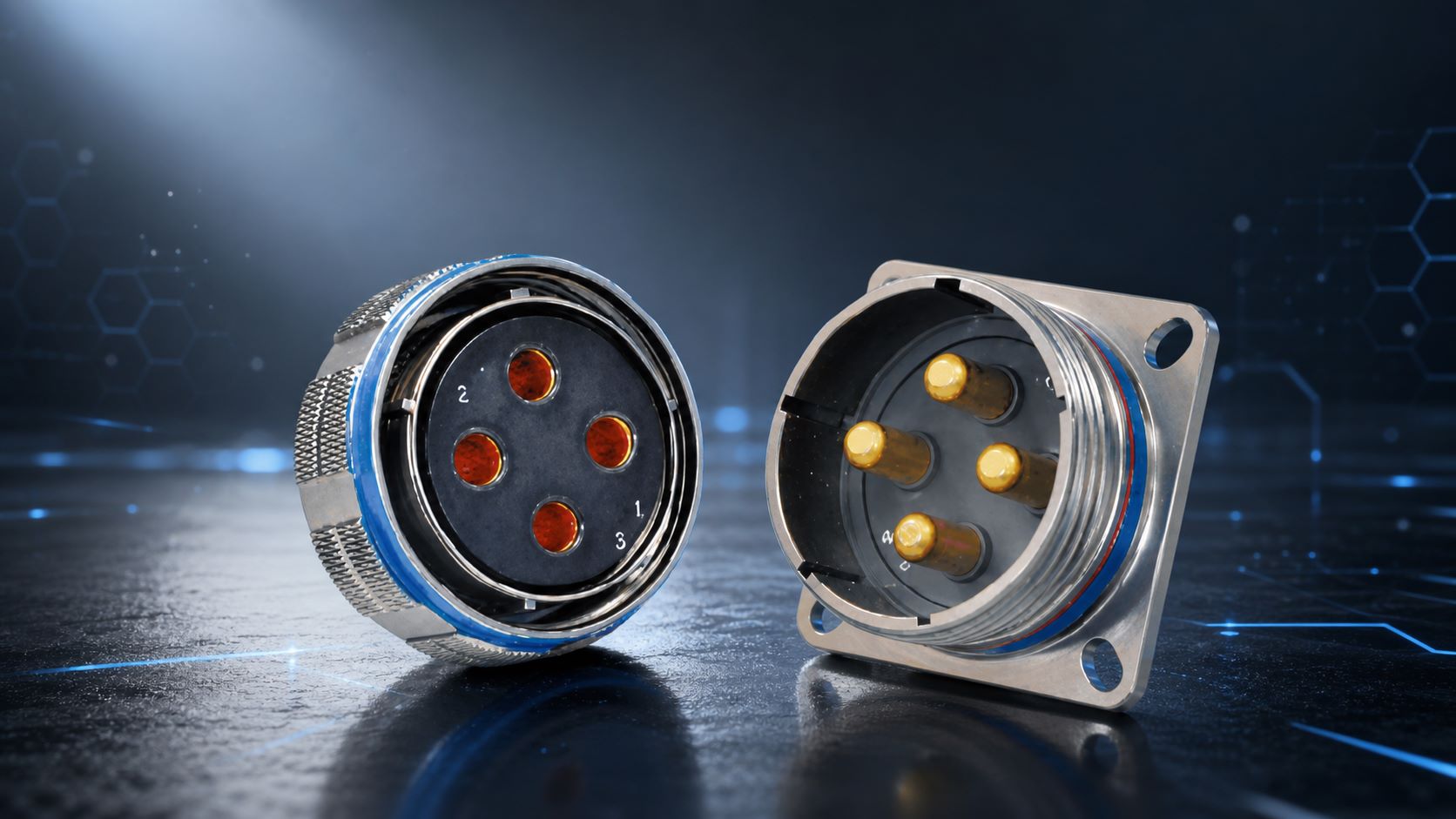
A precise fit between the wire and the contact barrel is essential for ensuring consistent conductivity. If the fit is too loose, resistance may increase; if too tight, conductor damage may occur during crimping. Moreover, alignment accuracy is especially important in high-density connector systems. A properly designed acrimp contact connector ensures stable crimp force distribution and reduces mechanical failure risks under vibration and repeated insertion cycles. Airoadcon provides engineered solutions that support multi-gauge compatibility and stable industrial performance.
Electrical Load and Environmental Conditions
Electrical load directly impacts heat generation and long-term stability. High-current systems require larger contact surfaces to maintain efficiency and reduce energy loss. Meanwhile, environmental factors such as humidity, vibration, and corrosion can significantly reduce connector lifespan. Therefore, selecting an acrimp contact connector must balance both electrical performance and environmental resistance. In addition, sealing structures and EMI/RFI shielding further enhance reliability in harsh industrial environments.
Crimping Process and Manufacturing Compatibility
Different wire gauges require different crimping forces and tooling systems. Smaller wires typically use precision manual tools, while larger conductors require hydraulic or automated crimping equipment. As a result, selecting an acrimp contact connector also depends on production efficiency and assembly compatibility. Furthermore, anti-misalignment and anti-false insertion structures help reduce assembly errors in mass production lines. Airoadcon integrates high-density connector architecture to ensure stable and efficient manufacturing processes.
Material Selection and Long-Term Reliability
Material selection plays a crucial role in determining connector durability and conductivity. Common materials include stainless steel, aluminum alloy, titanium alloy, and bronze, each offering different mechanical and electrical properties. In addition, surface treatments can improve corrosion resistance and oxidation stability. Proper structural design ensures long-term reliability under mechanical stress and harsh environmental conditions.
System Integration and Application Flexibility
Modern industrial systems often require hybrid transmission capabilities, including power delivery, signal communication, and optical integration. Therefore, connector selection is not only about wire gauge matching but also about system-level compatibility. Mixed high-frequency and low-frequency layouts allow flexible integration in compact designs. Ultimately, a well-designed connector ensures stable performance, secure locking, and long service life across complex industrial applications.