







<back
What Makes Nuclear Energy Connectors Essential for Power Safety?
In nuclear power plants, safety and reliability are the top priorities for all electrical systems. One of the key components ensuring these priorities is the nuclear energy connector. These connectors are specifically designed to maintain stable electrical connections in harsh environments, including areas with high radiation, extreme temperatures, and electromagnetic interference. Therefore, understanding their importance and applications is crucial for maintaining safe and efficient nuclear operations.
Ensuring Reliable Electrical Connections
First and foremost, a nuclear energy connector guarantees reliable electrical connectivity between critical systems. Unlike standard connectors, these components are engineered to withstand vibrations, thermal cycling, and exposure to radiation. Additionally, high-grade materials and shielding are used to prevent electrical failures, which could compromise safety or disrupt power distribution. As a result, nuclear power facilities can maintain consistent performance even in demanding conditions.
Protecting Critical Systems
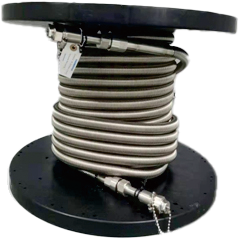
Moreover, the use of nuclear energy connector protects sensitive nuclear equipment from potential hazards. In nuclear wiring harnesses, such as those used in reactor control systems, connectors ensure secure interconnections between sensors, actuators, and power modules. These connectors are often paired with heat-shrink tubing, potting compounds, and metal bellows to provide additional protection against environmental factors. Consequently, critical systems operate safely, reducing the risk of downtime or accidents.
Facilitating Maintenance and Inspections
In addition to reliability and protection, nuclear energy connectors simplify maintenance and inspections. Modular design and standardized connections allow technicians to replace or inspect individual segments without disrupting the entire system. Meanwhile, visual indicators or coded markings help ensure correct installation, minimizing human error. Therefore, these connectors not only support operational safety but also improve maintenance efficiency in nuclear power facilities.

Supporting Long-Term Safety and Compliance
Finally, nuclear energy connectors play a key role in regulatory compliance and long-term plant safety. Nuclear facilities are subject to strict standards regarding electrical integrity and radiation resistance. By using connectors that meet these standards, operators can ensure that all wiring harnesses perform reliably over decades of operation. Furthermore, high-quality connectors reduce the likelihood of unplanned outages, contributing to the overall safety and stability of the power grid.
Conclusion
In conclusion, nuclear energy connectors are essential for power safety in nuclear plants due to their reliability, environmental resistance, maintenance convenience, and regulatory compliance. Using robust connectors within wiring harnesses, such as those shown in the example, ensures safe and efficient operation of nuclear systems. Therefore, investing in high-quality nuclear energy connectors is a critical step for any nuclear facility committed to long-term safety and operational excellence.